

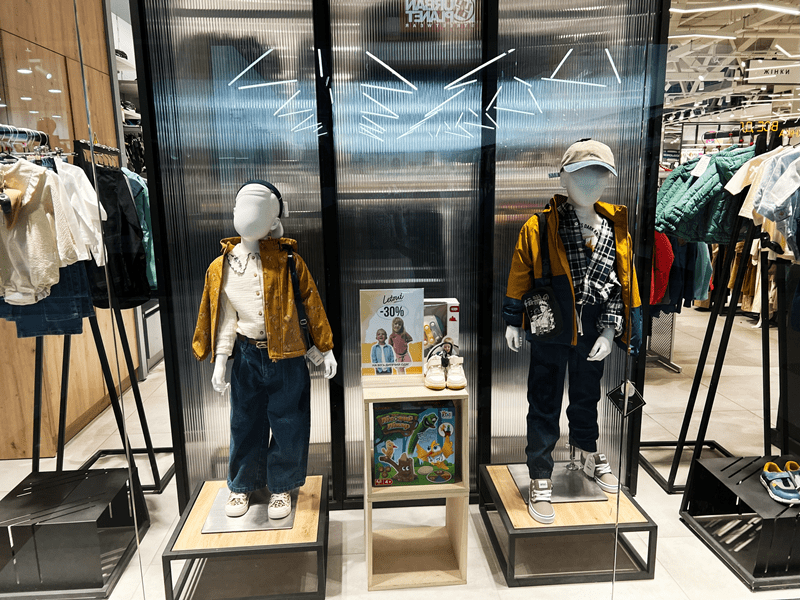
Kids coat brands matter because winter coats are not just outfits; they are daily protection. Parents often search for the best brand of kids coats to avoid weak zippers, poor warmth, and rough fabric. The best brand winter coats for kids also help children stay comfortable during school mornings and outdoor play.
This blog covers why coat brands matter, key benefits, top winter coat brands, how to choose step-by-step, and what details should never be ignored.
Must Read: Kids Blazer Jacket Style Tips Every Parent Should Know
Winter sounds simple. Wear a coat, step outside, move on. But that is not what happens in real life. With kids, small problems turn into daily problems very fast. A coat that feels itchy, a zipper that gets stuck, sleeves that ride up, all of it becomes a morning routine nobody enjoys.
This is why choosing from strong kids coat brands makes a real difference. A winter coat is not used once in a while. It is used again and again. It goes to school, playgrounds, walks, family outings, and sometimes it gets stuffed into backpacks without mercy.
A good coat does more than keep a child warm. It supports comfort, movement, and daily routine. The best brand of kids coats usually focuses on small details that reduce common winter coat problems.
A winter coat should hold warmth without trapping too much heat. Kids move a lot, so a coat that overheats them becomes uncomfortable fast. The best brand of kids coats often designs insulation that feels balanced.
Some coats look great but feel stiff, bulky, and annoying. Kids do not care about brand names. They care about comfort. Coats from the best kids coat brands tend to feel smoother inside and easier to move in. Sleeves do not pull up. Shoulders feel relaxed.
Winter coats get used hard. Backpack straps rub the fabric daily. Kids slide down benches. Coats get dropped, stepped on, and dragged across floors. A weak coat breaks down quickly. The best coat brands for kids usually use stronger stitching and better zippers that survive daily wear.
Top Pick: Top 5 Best Kids Jacket Materials for All-Weather Comfort
Parents often want clear brand options. Not five hundred choices. Just solid, trusted picks. The brands below are often included when people search for the best brand winter coats for kids, especially for school and daily winter use.
The North Face is a common pick for parents who want strong warmth and reliable winter performance. Many coats are built to block wind and keep warmth stable. What stands out is that these coats usually feel lighter than expected. That helps kids stay warm without feeling weighed down.
Columbia is known for practical winter coats that work well for daily use. Parents often choose it because the coats feel comfortable and easy to wear. Many styles come with soft linings and simple closures, which make them kid-friendly.
Patagonia coats are popular for comfort, warmth, and a clean design that fits well. Many parents like the way these coats support movement, so kids can stay active without feeling stiff. The coat often feels smooth inside, which makes it easier for kids to wear it for long hours.
Choosing winter coats feels hard only when parents try to do everything at once. If it is broken into steps, it becomes much easier. These steps help parents identify the best brand of winter coats for kids without overthinking.
Start by thinking about where the coat will be worn most. School drop-offs. Walking. Playing outside. Long outdoor time needs stronger warmth. Short trips may need lighter comfort. This simple step filters choices quickly. It also helps parents focus only on best kids coat brands that match the child’s daily needs.
Kids notice fabric more than adults. If the lining feels rough, the child will dislike it. If it feels too warm indoors, the child will complain quickly. Parents should check the insulation and lining comfort together. The best brand of kids' coats usually keeps the inside smooth and comfortable so kids can wear them for longer.
A coat should fit while standing and while moving. The child should raise arms, bend slightly, and turn side to side. Sleeves should cover wrists but not swallow hands. The coat should not pull at the shoulders. Many items from the best coat brands for kids pass this test easily because movement is part of the design.
If the zipper is weak, everything becomes annoying. Morning rush becomes slower. Kids struggle. Parents step in. That repeats every day. A good zipper should glide smoothly without snagging.
Winter coats get dirty quickly. School life makes sure of that. Parents should check washing instructions and material stability. A coat should still feel strong after cleaning.
Even if a brand is trusted, parents still need the right features for their child. These factors help families choose the best fit and comfort. This is how parents pick from the best kids coat brands in a smart way.
Coat length affects warmth. Some kids do fine with shorter coats, especially if they move a lot. But longer coats often protect better against the wind. Parents choosing from the best coat brands for kids should look at length based on the daily routine.
A hood is helpful when the cold wind hits unexpectedly. But it must fit properly. A hood that blocks vision is frustrating for kids. A hood that keeps falling off becomes useless.
Wind usually enters through sleeves and neck gaps. That is why cuffs and collars matter more than people think. Tight cuffs keep warmth in. A good collar prevents cold air from slipping down the neck.
A winter coat should support warmth, comfort, and daily movement without becoming a daily headache. When parents focus on trusted kids' coat brands, they reduce problems like broken zippers, poor fit, and poor warmth. A smart coat choice helps kids stay happy, warm, and comfortable through winter.
A coat is warm enough if kids stay comfortable outside without shivering and without sweating too much inside.
Not always, but trusted brands usually reduce common issues like weak stitching or poor zippers.
Fit and warmth balance are the most important. A coat must allow movement, cover wrists and body properly, and protect against wind.
This content was created by AI